
Using Photos as an Invitation to Your Story
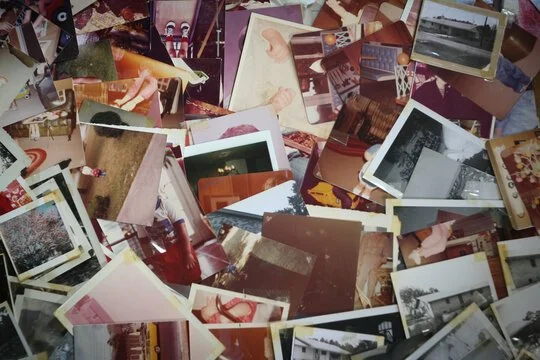
by Grant Faulkner
Read on Substack if you’d like to leave comments.
*****
When I teach writers, I find that I use three words a lot: momentum, intuition, and invitation. I guess you might say these three words are the key ingredients in my creativity cocktail.
I’ve especially been thinking about how to create an invitation to write (perhaps because I’m having my own struggles to write each day). There are many ways to make your writing into an invitation, but I’ve been somewhat obsessed with using photos as prompts because I recently published a book, something out there in the distance, which is a series of linked short stories written to my friend Gail Butensky’s photographs of the Southwest.
As a “serious hobbyist” photographer, I’ve always been interested in the ways photos and words can be in conversation with each other. In fact, in my 100 Word Story literary journal, we pair each story with a photo and offer a monthly photo prompt.
Why are prompts in general an invitation to writing? A prompt is, at its most basic, a door someone else opens for you. You didn't choose it, but that's not a limitation. That's the whole point.
Prompts take you someplace else
Prompts might give you a subject, a first line, a constraint—and in accepting it, you surrender just enough control to be surprised by what you create. What you write in response to a prompt often reveals what you would never have thought to say.
There is psychology behind this. When the conscious mind is occupied with the problem of the prompt—what is this photograph? what does this first line demand?—the deeper, less guarded self can slip in sideways. Writers often report that their best prompt-generated work feels like it came from somewhere else. That's not mysticism. That's the editorial mind standing aside long enough for different material to surface.
The mystery of photo prompts
I always say I like to write to the questions not the answers. I like to feel the mystery of life, the mystery of another person, with each word.
The photographer Diane Arbus said, “A picture is a secret about a secret, the more it tells you the less you know.” That’s the way I feel photos. They open my mind to surprising possibilities.
Photo prompts work differently from text prompts, and the difference matters. A text prompt engages language immediately. You're in the medium from the start. A photograph, however, speaks before language can form around it. You look at an image and you begin to conjure a feeling, a flash of memory, and only then do you reach for words.
That gap between the image and the language is where the most interesting writing often lives.
Photography allows us to essentially look into a dead person’s eyes while they’re alive. The photograph says: this was. It captures a moment of presence—a person alive, a thing existing—and in doing so announces that the presence it preserves is already gone.
As Susan Sontag says in On Photography, “Photography is the inventory of mortality. …Photographs state the innocence, the vulnerability of lives heading toward their own destruction, and this link between photography and death haunts all photographs of people.”
The memoir also says this was. The writer returns to a moment that is irretrievably gone and tries to unearth it in language—to make it present again while knowing that the act of writing about it is also a kind of acknowledgment that it’s over. That the self who lived it is no longer quite the same self who writes about it. Memoir is haunted by the same temporal paradox as photography.
When a photo pierces you
Roland Barthes noted how photos can work to jar you into a different and surprising story. He said there were two levels of viewing a photo: the studium and the punctum. The studium is what a general viewer sees and understands. The punctum is the detail that pierces: the unexpected element that catches and holds, that seems to reach out of the frame and touch something specific in you. The studium can be described. The punctum can only be felt.
When a writer responds to a photograph, they are almost always, whether they know it or not, writing toward the punctum. The prompt gives them the image, but their particular history, longing, and attention give them the detail that matters.
When I wrote something out there in the distance, each of Gail’s photos operated as a random prompt. Each photo gave me permission to go somewhere I might not have ventured alone. The image held something I had to find words for. Sometimes the photograph was a mirror. Sometimes it was a window. Sometimes it was a question I spent a whole piece trying to answer, only to realize at the end that the question itself was the point.
This is what prompts do. They don't tell you what to write. They tell you where to begin. And beginning—finding the door, the invitation to write—is so much of the work. In writing, as in life, the most important thing you can do is accept the invitation before you've had time to talk yourself out of it.
Photo prompts and your memoir:
Find a photograph from your own past that you’ve always avoided looking at too long. Write toward what you’ve been avoiding in it. That avoidance is almost certainly where the real story is.
A photograph captures light, posture, objects, background detail. Use a photo as a portal. What was happening five minutes before a photo was taken? What sounds were in the room? What does the photograph not show—and why?
Write about the gap between a person in a photograph and how you knew them beyond the photo. Who were they outside the frame? What does their camera-ready smile reveal? What does the turned-away face actually mean? This is especially powerful for writing about parents, grandparents, or anyone you knew only partially. The photograph becomes a meditation on the possibilities of knowing another person.
The Week Ahead!
Show Up and Write Open House: We’re opening our accountability sessions up to all members and their guests for one week—Thursday, March 12, with Grant, and Sunday, March 15, with Brooke. RSVP in the Community.
We’re going to interview Rachel Eliza Griffiths, the author of The Flower Bearers, for the Memoir Nation podcast. Coincidentally, The Flower Bearers is going to be the next Book Club pick We’d love to include your thoughts and questions about her book, so if you’re a Path 3 member, tell us in the Event Chat before this Thursday, when we record. If you’re not a Path 3 member, this is a great time to subscribe!
Join Us for “Memoir Showers”!
Join us for 30 days of writing in April! We kicked-off the year with JanYourStory—now we want to help you water your story so that it blooms all year.
What we’ll provide: A photo prompt and a text prompt every day.
What you’ll provide: Your words.
Every story begins as a seed. Plant a memory. Watch it grow. Nourish your story, one day at a time.
Here’s how to participate:
Invite your friends and family to write with you
Make an accountability plan:
Set reminders on your online calendar.
Post on social media that you’re committed to writing for 30 days in April!
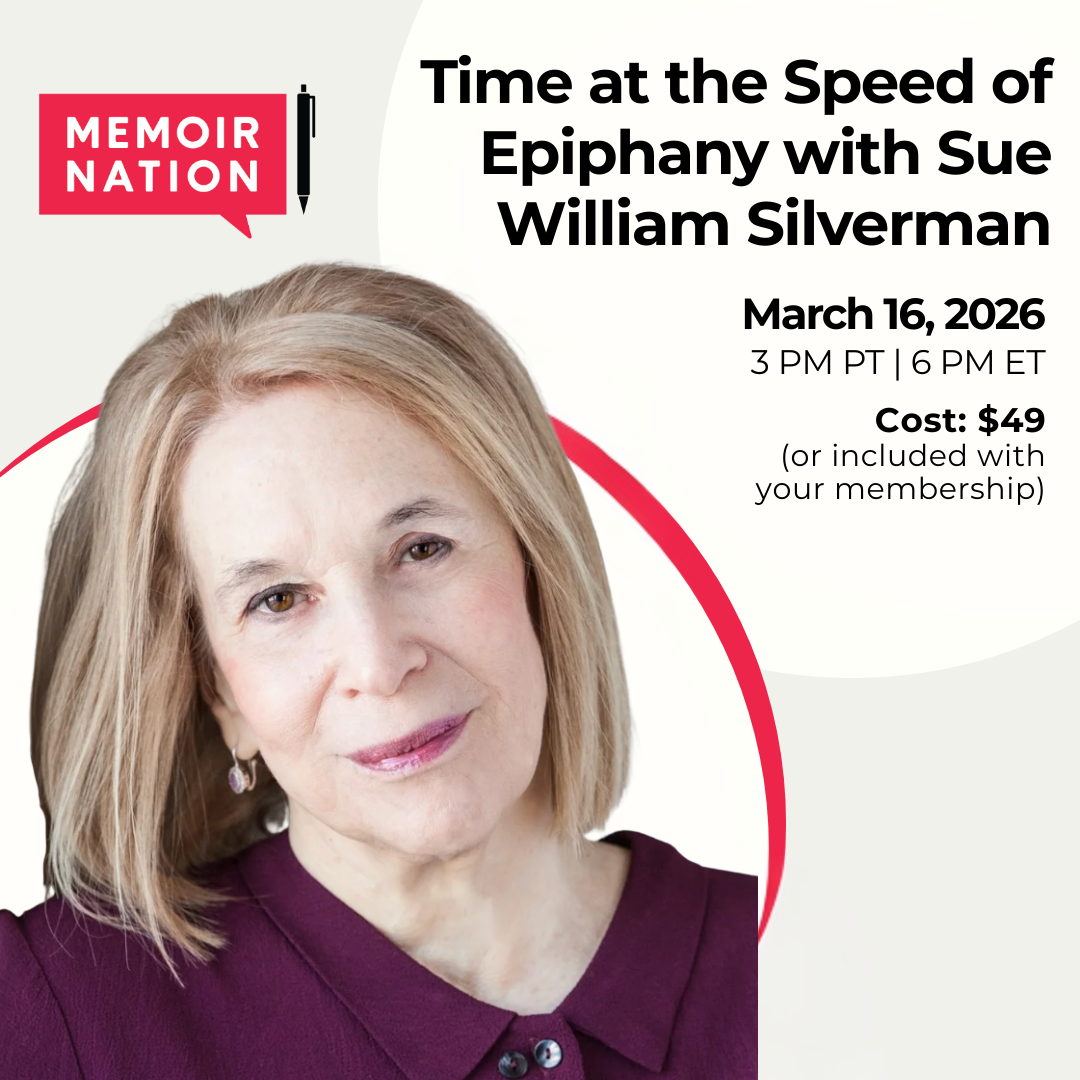
Weekly Question
Answer this in the Community.
Do you have a photograph you’re particularly compelled by? Either one you’ve taken or one you saw in a museum? Can you post your photo for others as a prompt? Maybe we can all use each other’s photos as prompts.
Here are some of Grant’s go-to sources for prompts:
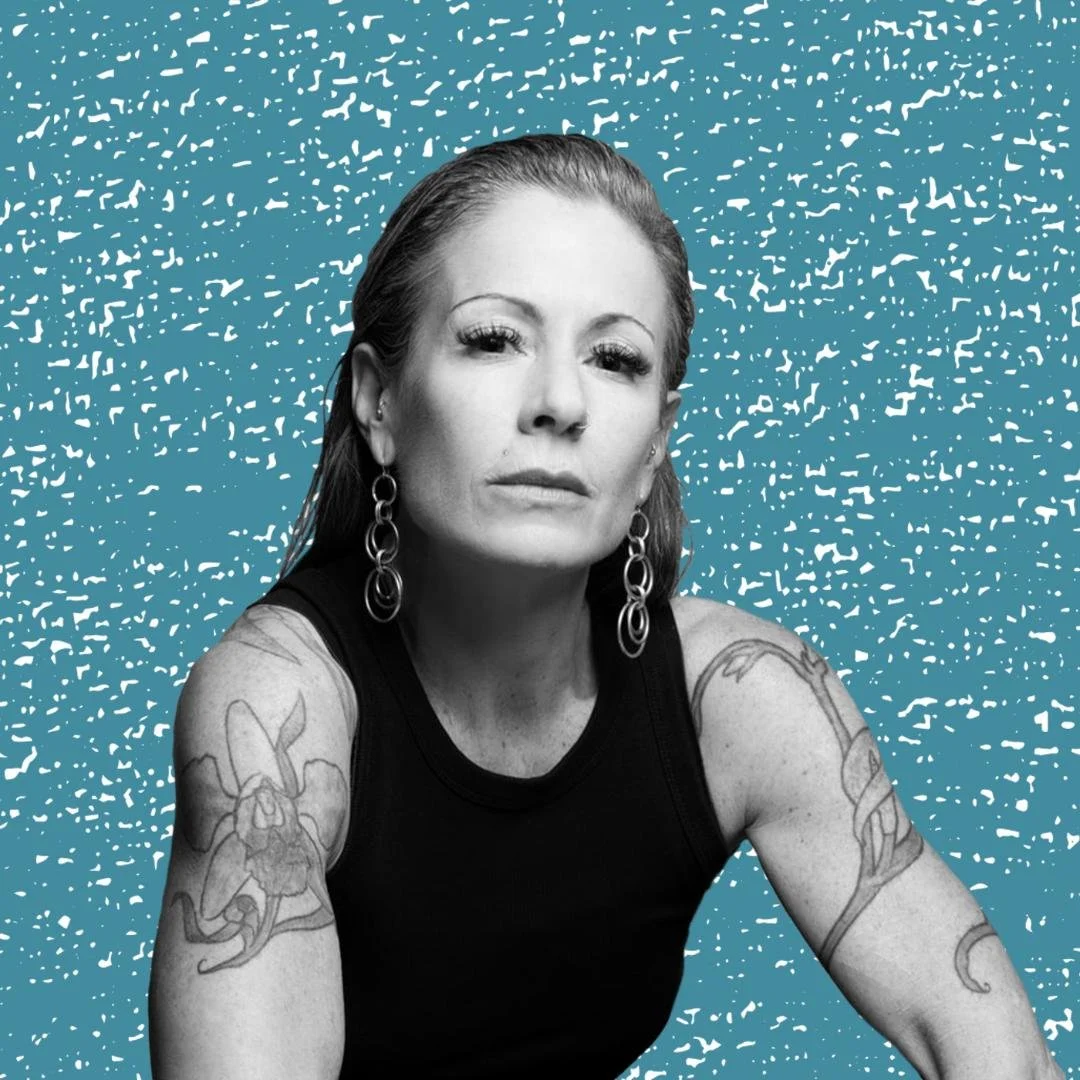
Before memoir was the craze that it is today, there were writers who were defining the genre. Marya Hornbacher was one of them. Her two best-selling memoirs, Wasted and Madness, are two of the most influential memoirs of all time—giving rise to a whole slew of books not only on her topics of eating disorders and mental health, but about many challenging topics that later became collectively (and disparagingly) known as “misery memoirs.”
Despite the judgments and the naysayers, these kinds of memoirs have outlasted the critiques—and prevailed. Marya Hornbacher was one of the trailblazers and she has some things to say about all of this and more. Marya will be teaching a class for Memoir Nation this June 11th called The "Give a Shit" Factor: Writing Memoirs That Matter, something she knows a thing or two about.
Bio: Marya Hornbacher is an award-winning journalist, New York Times bestselling author, and the recipient of a host of awards for her work, which include Wasted, Madness, Sane, and Waiting, and the novel: The Center of Winter. Shortlisted for the Pulitzer Prize, Marya has spent a prolific quarter century writing and teaching across genres. She has a popular Substack called Going Solo at the End of the World, and a new book coming out in 2027.

Gotham Writers Workshop
Coming up in March, Gotham Writers Workshop is hosting—both on Zoom and in-person in NYC—a conference just for you, memoir writers and nonfiction authors alike. The weekend will consist of panels on publishing, Q&A sessions, and agent pitching roundtables in which you’ll be able to present your writing directly to literary agents. To learn more about The Gotham Writers Nonfiction Conference, visit gothamwriters.com/conference.
And to sweeten the deal, Gotham is offering you an affiliate code for a discount on their classes. Use code “MemoirNation” at checkout for $40 off your first 6 or 10 Week class (some restrictions apply).
Novel Beginnings is here.
Our sponsor, ProWritingAid, is sponsoring a novel contest! Submit the first 5,000 words of your unpublished novel for a chance to win a $50,000 grand prize, plus several $5,000 runner-up prizes.
Eligibility: Un-agented writers not published by an established publisher (self-published is okay)
Free to register. Opens Feb 2. Closes Mar 31.