
Taking the Dare to Write Your Story (and Trust Your Story)
by Grant Faulkner
Read on Substack if you’d like to leave comments.
*****
Can you remember a moment when you took a dare? When you stood on the precipice? Hesitation mixing with the desire to do something different, something more adventurous, perhaps even dangerous? Did you leap? Did you turn away?
I recently became fascinated by how we take dares in our writing and how trust shapes how we live and learn in my personal Substack, Intimations: A Writer’s Discourse. We tend to overlook how creativity can’t flourish without trust on many levels—and how we need to pay attention to our trust and find ways to nourish it.
I think of how when I was a kid, I jumped out of trees without a thought about breaking an ankle or even scuffing my knee. Youth supplied me with trust, perhaps because I didn’t know better. To take a dare is an act of faith. We work up the nerve to make the soaring leap, even when we don’t know what the outcome will be. Much like writing a story.
At the core of taking a dare, we find bravery and defiance entwined. We dare to challenge the stories passed down to us that no longer fit. We also dare to reclaim and recreate our stories.
"It takes courage to grow up and become who you really are," said e.e. cummings.
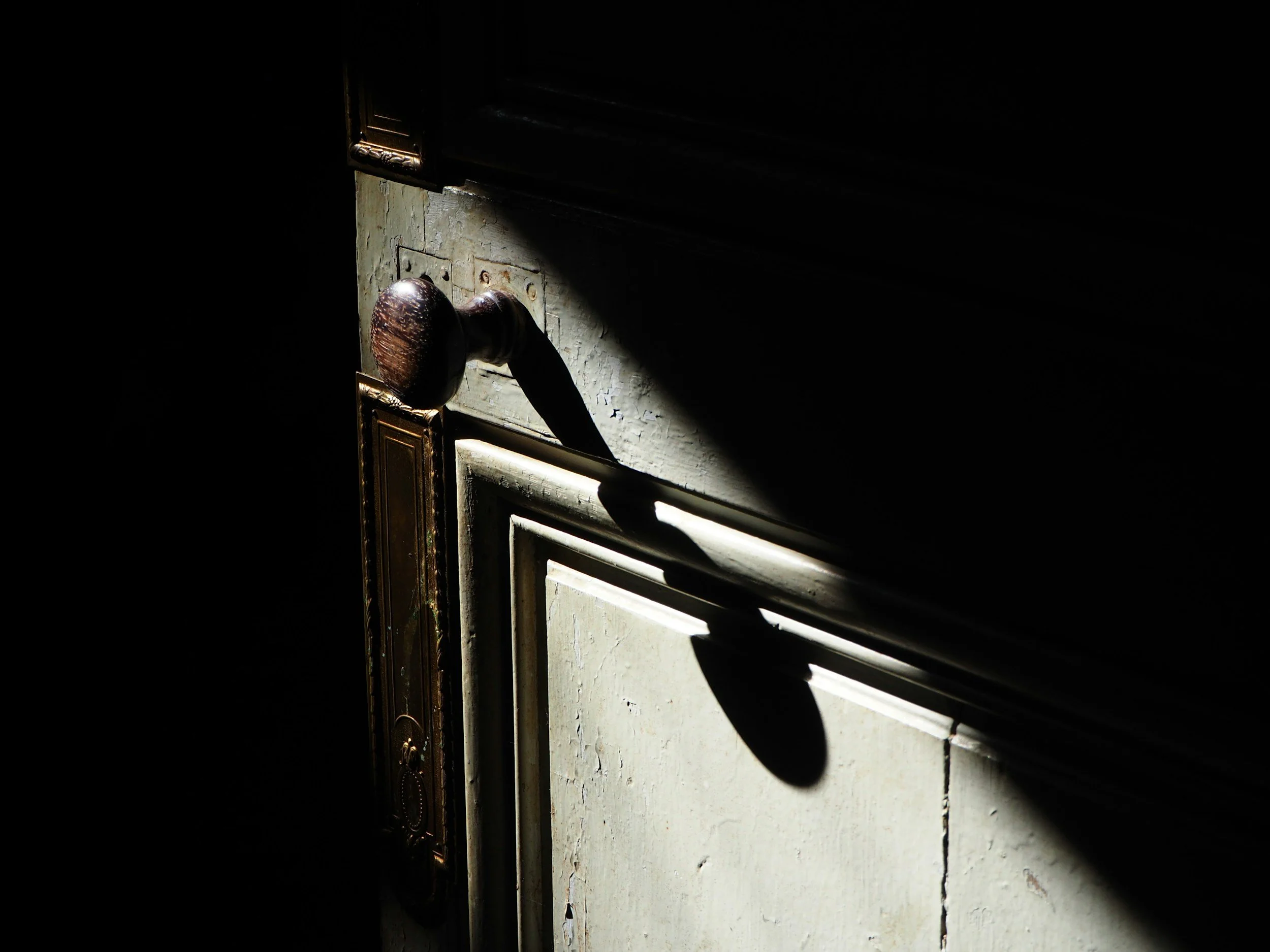
Opening the door into the unknown
It also takes courage to write who you really are.
In A Field Guide to Getting Lost, Rebecca Solnit tells us to invite in the dares in our lives: “Leave the door open for the unknown, the door into the dark. That’s where the most important things come from, where you yourself came from, and where you will go.”
Writing a memoir is a dare and an act of trust. The trust has to come first. You have to trust that your experience has meaning, that you can find the language to express your story, and that readers will receive it with some measure of good faith.
The act of writing also has the character of a dare, however. You're stepping over a threshold that can't be uncrossed. Your vulnerability stops feeling so private because there's something irreversible about the act of putting pen to paper that pure trust doesn't require.
A dare is a challenge, a provocation. A dare creates a kind of contract with yourself: if you do it, you've proven something (to yourself, but also perhaps to others, to those who don’t believe in you).
Recognizing your dare
Katherine Anne Porter called courage “the first essential” for a writer.
“I have to talk myself into bravery with every sentence, sometimes every syllable,” agreed Cynthia Ozick.
The dare exists in what you feel afraid to write, in the topics where you find yourself saying you’re “not ready.” With trust, the courage is in the opening —becoming vulnerable to someone else. With a dare, the courage is in the doing—completing your task, proving your nerve.
Sometimes we have to dare ourselves. When we dare ourselves to try something hard, we're actually trusting an aspiration we have for ourselves. That's why it feels different and usually more meaningful than taking a dare from someone else.
So the full act of putting a story into the world begins with the trust that makes the dare possible. Without the interior trust, the dare might be just recklessness—exposure without meaning. Without the dare, the trust stays inert. It never actually risks anything. It never becomes a gift to anyone.
To invite in the dare you need to tell your story, consider these five questions:
What’s the story you've been telling yourself you're not ready to write yet?
If you knew the people in your story would never read it, what would you finally say?
What experience do you have that you've never seen represented honestly in a book—an experience that might help others?
What would the version of you who stopped caring what people think write about?
What’s the thing that happened to you that you've barely told anyone—or no one.
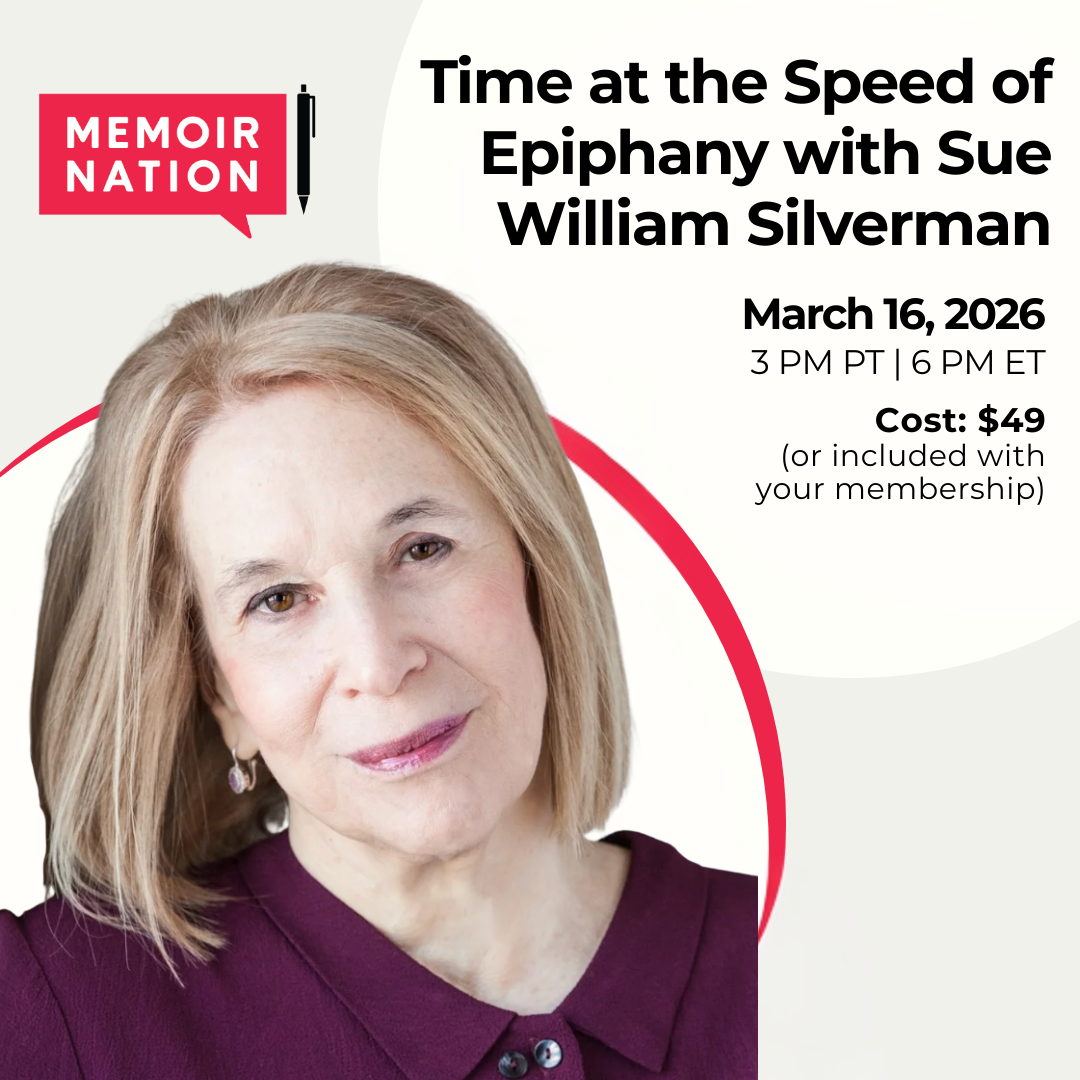
We have new offerings!
One reason to keep checking out our Community? We keep adding things to help you with your memoir. Consider joining one of these groups.

Feedback Friday is going to be a recurring event where the Memoir Nation community comes together to read or to witness. If you'd like to read your work in an open-mic Zoom forum, this is your opportunity. Feedback from people in the community will be limited to Zoom and positive reinforcement.
An Inspirational Quote
“The most understandable trap is to wait for fear to subside before starting one's journey. It doesn’t, won’t, and shouldn’t.”
— Ralph Keyes, The Courage to Write
A Memoir Prompt
Write about the thing you've been leaving out.
You know what it is. It’s the detail you skip over when you tell this story out loud. It's the sentence you've started a dozen times and deleted. It's the part where you say “and then things got complicated” and move on quickly.
You don't have to write it for anyone else yet. Write it for the version of you that has been carrying it.
Start with this line if you need a way in: “What I've never said out loud is...”
Weekly Question
Answer this in the Community.
Is there something in your memoir you’re hesitant or afraid to write?

This week’s episode is a meditation on partnership and all the ways there are to both attend to your partner and to fail. In his new book Choreplay, author Jordan Carlos calls himself out for some of his shortcomings as a husband, but also explores ways he can and does show up for his wife.
Grant and Brooke reveal their own thoughts about how they measure up as spouses, and also consider memoirs like these that are explorations of how we can do better—as humans, as partners, as parents, and in all the ways we show up in the world. Jordan Carlos is a comedian, thank God, because he’s able to take this seemingly fraught topic and make it funny and fun. Enjoy!
BIO: Jordan Carlos is a stand up comedian and actor based in New York. He recently wrote for and starred in the first season of Phoebe Robinson’s “Everything’s Trash”, and stars in the forthcoming animated series Motel Translyvania, coming to Netflix in Fall 2025. He is perhaps best known for his work as a writer and on-air contributor for The Nightly Show With Larry Wilmore, has written for Divorce and “The White House Correspondents’ Dinner” (in 2016) as well as “The Not The White House Correspondent’s Dinner” with Samantha Bee (in 2017). He has also appeared on Black Mirror, Nora From Queens, Party Down, Broad City, and The Colbert Report , among others. Jordan lives in Brooklyn with his wife and children, and Choreplay is his first book.